
Peptide Research
Retatrutide Dosing: Clinical Trial Protocols, Dose Escalation, and Safety Considerations
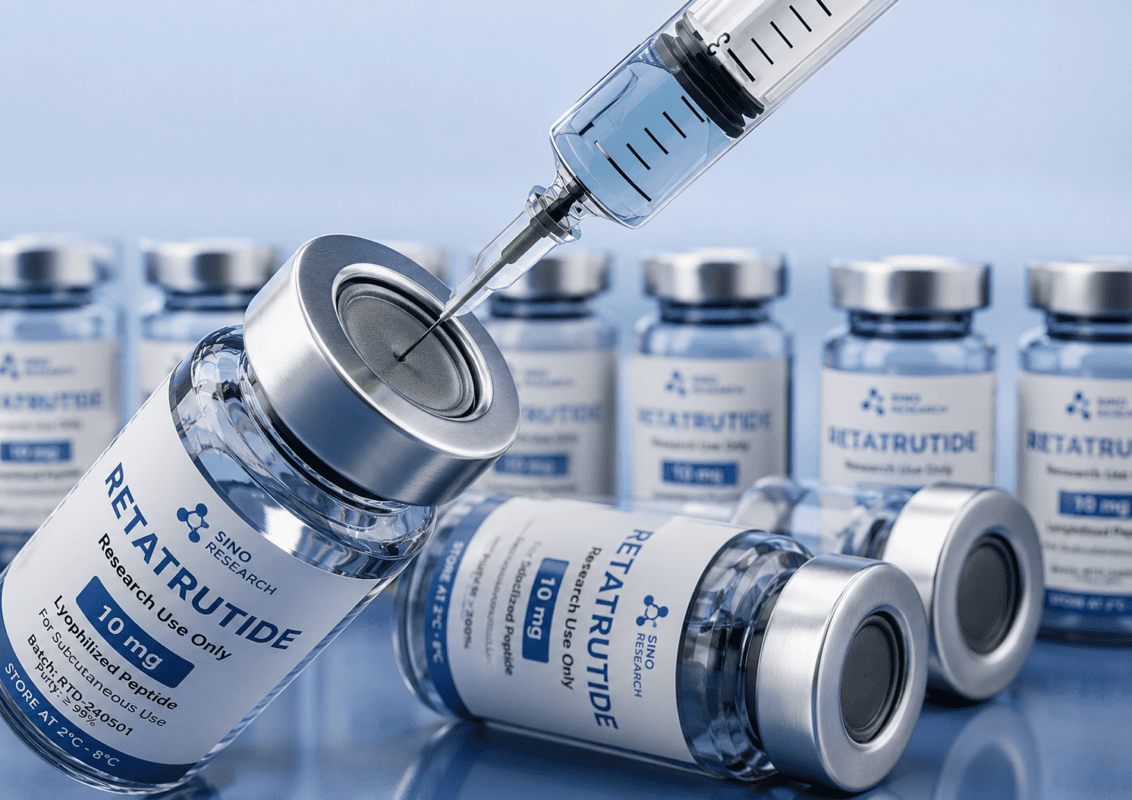
Why Retatrutide Dosing Is the Conversation of 2025
If you’ve spent any time reading about the next wave of metabolic research compounds, you’ve almost certainly bumped into retatrutide dosing. It’s the triple agonist everyone in endocrinology circles keeps whispering about, the molecule Eli Lilly designed to hit GLP-1, GIP, and glucagon receptors simultaneously. And the reason people can’t stop talking about it? The phase 2 data suggested weight reductions north of 24% at 48 weeks, numbers that make even semaglutide look modest by comparison.
But here’s the thing nobody tells you when you’re staring at a vial for the first time: the magic isn’t just in the molecule. It’s in the retatrutide dosing schedule. Escalate too fast and you’re spending your weekend hugging a toilet. Escalate too slow and you’re leaving results on the table. The clinical trials figured out a rhythm, and understanding that rhythm is the difference between a research protocol that works and one that stalls out.
This guide unpacks everything currently known about retatrutide dosage, from starting doses to maintenance, from titration logic to the side effect profile that trial participants actually reported. No fluff, no marketing spin, just the data.
What Retatrutide Actually Is (Quick Refresher)
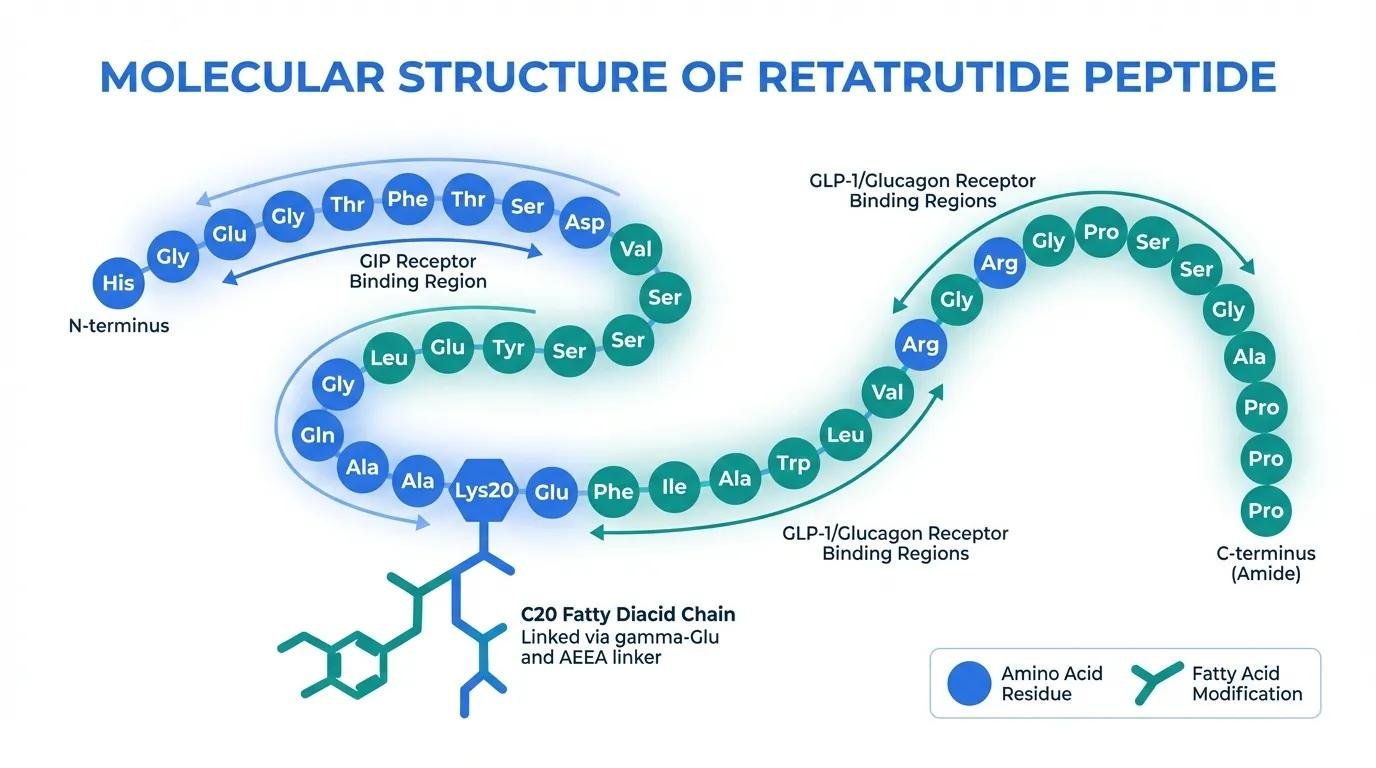
Retatrutide (also called LY3437943) is an investigational peptide developed by Eli Lilly. Where semaglutide activates only GLP-1 and tirzepatide hits GLP-1 plus GIP, retatrutide adds a third target: the glucagon receptor. That third agonism is the wildcard, because glucagon activation increases energy expenditure, meaning your body burns more calories at rest rather than just eating less.
Dr. Ania Jastreboff, principal investigator on the TRIUMPH trials, put it this way in her NEJM commentary: “The magnitude of weight reduction observed with retatrutide is unprecedented for a pharmacotherapy at this stage of development.”
Important note before we go further: retatrutide is not FDA-approved. It remains in phase 3 trials as of 2025. Everything discussed below reflects clinical research protocols, not medical advice.
Retatrutide Clinical Trial Dosing: The Framework Researchers Used
The pivotal phase 2 trial published in the New England Journal of Medicine (Jastreboff et al., 2023) tested four target doses of retatrutide:
- 1 mg weekly
- 4 mg weekly (with escalation)
- 8 mg weekly (with escalation)
- 12 mg weekly (with escalation)
Every arm above 1 mg used a gradual retatrutide dose escalation approach, because starting participants at 12 mg on day one would have caused a mutiny in the GI department. The escalation wasn’t arbitrary. It mirrored what worked for tirzepatide and semaglutide before it: give the gut receptors time to acclimate, then push higher.
The 12 mg Arm Escalation (Full Phase 2 Schedule)
| Week | Dose |
|---|---|
| Weeks 1–4 | 2 mg |
| Weeks 5–8 | 4 mg |
| Weeks 9–12 | 8 mg |
| Week 13 onward | 12 mg |
The 8 mg Arm Escalation
| Week | Dose |
|---|---|
| Weeks 1–4 | 2 mg |
| Weeks 5–8 | 4 mg |
| Week 9 onward | 8 mg |
This is the retatrutide titration schedule that generated the headline weight loss numbers. Note the pattern: four weeks at each dose level before stepping up. That interval isn’t random. It roughly matches the time it takes for GI adaptation and receptor equilibration.
Retatrutide Starting Dose: Should You Begin at 2 mg?
The retatrutide starting dose used across nearly every clinical trial arm was 2 mg weekly for the first four weeks. So the short answer to “should I start with 2 mg of retatrutide” is: that’s what the researchers did, and it produced tolerable side effects for most participants.
That said, a subset of users in the research community have experimented with a 0.5 mg starting dose for the first week or two, particularly those who are:
- Highly sensitive to GI side effects
- Coming off no prior GLP-1 exposure
- Underweight or of smaller body mass
- Nervous about the initial nausea window
Is 0.5 mg safe as a starting point? Based on pharmacokinetic modeling, it’s a subtherapeutic dose, meaning you likely won’t see appetite suppression or weight change at that level, but it also means minimal risk of the classic GI reaction. Think of it as a “test dose” rather than a therapeutic one. The trade-off is time; you’re essentially adding two weeks to your escalation before hitting meaningful territory.
Retatrutide Maintenance Dose: What Trials Landed On
After escalation, the retatrutide maintenance dose in phase 2 was whatever target dose the arm was assigned to (1, 4, 8, or 12 mg weekly). The 12 mg maintenance arm delivered the strongest weight reduction, roughly 24.2% mean body weight loss at 48 weeks. The 8 mg arm produced about 21.1%. The 4 mg arm sat around 17.5%.
The current phase 3 TRIUMPH program is testing similar maintenance doses, refining which target dose offers the best efficacy-to-tolerability ratio.
Retatrutide Dosing Chart: Side-by-Side Reference
Here’s a consolidated retatrutide dosing chart based on published phase 2 protocols:
| Target Dose | Weeks 1–4 | Weeks 5–8 | Weeks 9–12 | Week 13+ |
|---|---|---|---|---|
| 1 mg | 1 mg | 1 mg | 1 mg | 1 mg |
| 4 mg | 2 mg | 4 mg | 4 mg | 4 mg |
| 8 mg | 2 mg | 4 mg | 8 mg | 8 mg |
| 12 mg | 2 mg | 4 mg | 8 mg | 12 mg |
Every dose is administered subcutaneously, once weekly, on the same day each week. Rotate injection sites (abdomen, thigh, upper arm) to minimize local irritation.
Reconstitution: How to Prepare Retatrutide
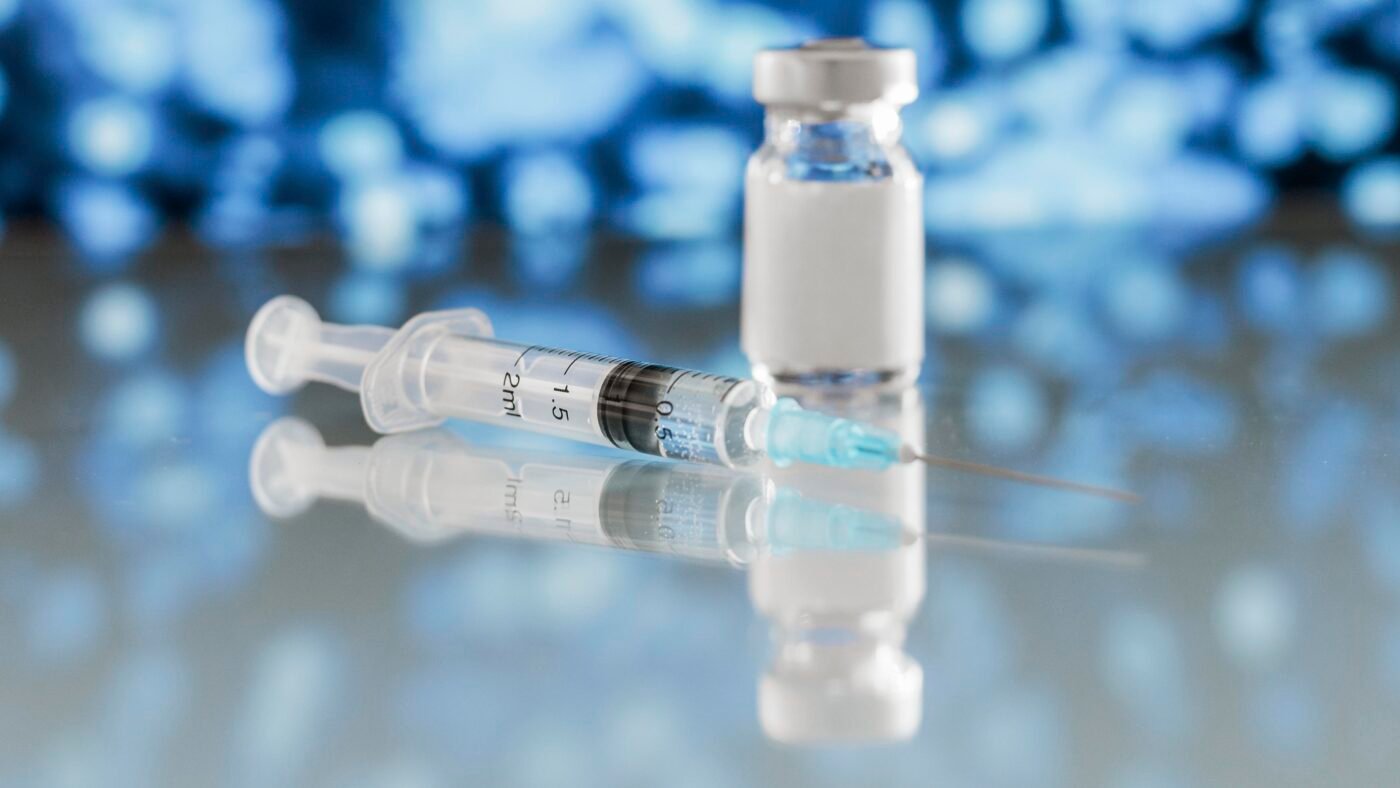
For research settings, retatrutide typically ships as lyophilized powder that must be reconstituted with bacteriostatic water (BAC water). This is where a lot of first-time researchers get tangled up in math.
How Much BAC Water for 10 mg Retatrutide?
The answer depends on how concentrated you want the final solution. A common approach:
- 10 mg vial + 2 mL BAC water = 5 mg/mL concentration
- 10 mg vial + 1 mL BAC water = 10 mg/mL concentration
At 5 mg/mL, drawing 0.4 mL in an insulin syringe (a 100-unit syringe marked in 0.01 mL increments) gives you 2 mg. At 10 mg/mL, you’d only need 0.2 mL for the same 2 mg dose.
How Much BAC Water for 12 mg Retatrutide?
For a 12 mg vial, researchers often use:
- 2 mL BAC water = 6 mg/mL concentration (0.33 mL = 2 mg)
- 3 mL BAC water = 4 mg/mL concentration (0.5 mL = 2 mg)
How to Reconstitute 20 mg Retatrutide Injection
For a 20 mg vial:
- 2 mL BAC water = 10 mg/mL concentration
- 4 mL BAC water = 5 mg/mL concentration (easier drawing for smaller doses)
The formula that ties it all together:
Dose (mg) ÷ Concentration (mg/mL) = Volume to draw (mL)
Then convert mL to units on an insulin syringe: multiply by 100. So a 2 mg dose from a 5 mg/mL solution is 0.4 mL, or 40 units on your syringe.
Retatrutide Weekly Dosing: Timing and Administration
Retatrutide weekly dosing means one subcutaneous injection every seven days. Consistency matters more than the specific day, but most protocols suggest picking a day and sticking to it (Sunday evenings are popular because it lets side effects, if they occur, land on a weekend).
What Time Is Best to Take Retatrutide?
There’s no pharmacokinetic evidence that time of day meaningfully changes efficacy. The half-life is roughly six days, so it’s a slow, steady drug. However, anecdotal reports from research participants suggest:
- Evening dosing may help sleep through the peak nausea window
- Morning dosing lets you observe reactions in real time
- After a light meal may reduce GI upset for sensitive users
Pick a time you’ll remember and repeat it weekly.
Retatrutide Dosing Side Effects: What Trials Actually Reported
Let’s be honest about the retatrutide dosing side effects. The phase 2 trial documented adverse events in most participants, and the pattern followed a predictable curve, worst during escalation, tapering as tolerance built.
Most Common Side Effects (by frequency)
- Nausea: reported in roughly 35–50% of the 8–12 mg arms
- Diarrhea: 20–30%
- Vomiting: 15–25%
- Constipation: 10–15%
- Decreased appetite (technically the desired effect)
- Fatigue and injection site reactions
Less Common but Notable
- Increased heart rate (a few beats per minute on average)
- Mild elevations in liver enzymes
- Skin sensitivity or itching
Serious Risks
Preclinical rodent studies (with all GLP-1 class drugs) have shown thyroid C-cell tumors, though this hasn’t translated to humans. There’s also a theoretical pancreatitis risk consistent with the GLP-1 class. The glucagon component adds a wildcard: potential for transient increases in blood glucose in non-diabetic users during escalation, and possible impacts on lipid metabolism.
Dr. Robert Kushner, obesity researcher at Northwestern, cautioned: “The glucagon receptor activation is what makes retatrutide potentially more effective, but it’s also what makes long-term safety monitoring essential.”
Retatrutide Dose Escalation: Why Gradual Wins
The logic behind retatrutide dose escalation is simple: your gut has to relearn how to process food signals. GLP-1 slows gastric emptying dramatically. Jump straight to 12 mg and your stomach essentially forgets its job overnight, hence the vomiting.
By starting at 2 mg and stepping up every four weeks, receptors gradually downregulate, adaptive pathways activate, and the GI tract finds a new equilibrium. Skipping steps in the retatrutide dose increase schedule is the single most common mistake researchers report in informal communities. The trials didn’t use four-week intervals because they were being cautious; they used them because they worked.
Retatrutide vs Tirzepatide Dosing: A Direct Comparison
The retatrutide vs tirzepatide dosing comparison is one of the most searched questions in this space, so let’s line them up.
| Parameter | Retatrutide | Tirzepatide |
|---|---|---|
| Receptor targets | GLP-1, GIP, glucagon | GLP-1, GIP |
| Starting dose | 2 mg weekly | 2.5 mg weekly |
| Max studied dose | 12 mg weekly | 15 mg weekly |
| Escalation interval | Every 4 weeks | Every 4 weeks |
| Mean weight loss (peak) | ~24.2% at 48 weeks | ~22.5% at 72 weeks |
| FDA status | Phase 3 (2025) | Approved |
The dosing rhythm is nearly identical, four-week escalation blocks with weekly subcutaneous injection. The difference is in efficacy and receptor scope.
Retatrutide Dosage for Weight Loss: What Trials Showed
Retatrutide dosage for weight loss followed a clear dose-response curve:
- 1 mg: modest reduction (~3.2%)
- 4 mg: meaningful reduction (~17.5%)
- 8 mg: substantial (~21.1%)
- 12 mg: peak efficacy (~24.2%)
Weight loss appears to plateau around 48 weeks in most participants, though phase 3 data will extend that timeline. Interestingly, about 26% of participants in the 12 mg arm lost more than 30% of their body weight, a threshold rarely seen outside bariatric surgery.
How Much Weight Can You Lose in 4 Weeks?
During the first four weeks (2 mg starting dose), most trial participants lost 2–4% of body weight, or roughly 4–10 pounds for someone starting at 200 lbs. Rapid loss isn’t the goal; sustainable, appetite-driven reduction is.
How Long Does It Take for Retatrutide to Work?
Appetite suppression typically begins within the first week. Measurable weight change usually appears by week 3–4. Peak effects emerge somewhere between month 6 and month 12, depending on target dose. Patience isn’t optional; it’s part of the protocol.
Retatrutide Cycling: Do You Need a Break?
There’s no clinical requirement to cycle off retatrutide. The phase 2 and 3 trials ran continuous administration for up to 88 weeks without mandated breaks. Some researchers voluntarily cycle to assess weight rebound, evaluate metabolic recovery, or manage cost.
What Happens When You Stop Taking Retatrutide?
Discontinuation studies from the GLP-1 class (STEP-4 for semaglutide, SURMOUNT-4 for tirzepatide) consistently show weight regain when treatment stops. Roughly two-thirds of lost weight returns within a year if lifestyle changes haven’t taken hold. Retatrutide will likely show similar patterns, though specific data is still emerging.
Can You Build Muscle on Retatrutide?
The honest answer: it’s difficult but not impossible. Any significant caloric deficit risks lean mass loss, and retatrutide creates a substantial one. Trial participants lost an average of 15–20% of their weight as lean mass, higher than ideal.
Mitigation strategies include:
- Resistance training 3–4x weekly
- Protein intake at 1.6–2.2 g/kg body weight
- Adequate creatine supplementation
- Avoiding excessive escalation speed
Muscle preservation is possible, but “building” (net gains) is nearly impossible during aggressive dosing.
Retatrutide Administration Guide: Step by Step
A proper retatrutide administration guide covers preparation, injection, and post-injection care.
- Wash hands and clean the injection site with alcohol
- Reconstitute the vial (if using lyophilized powder) with BAC water
- Draw the calculated dose into an insulin syringe
- Pinch a fold of skin on the abdomen, thigh, or upper arm
- Insert the needle at 90 degrees, inject slowly
- Withdraw and dispose in a sharps container
- Rotate sites each week
- Log the dose, date, and any side effects for tracking
Retatrutide Phase 3 Dosing: What’s Being Studied Now
The retatrutide phase 3 dosing program (TRIUMPH-1 through TRIUMPH-4) is testing target doses primarily in the 4 mg, 8 mg, and 12 mg range, across obesity, type 2 diabetes, obstructive sleep apnea, and cardiovascular outcome populations. Results are expected 2025–2026.
Counterarguments and Cautions
Not everyone agrees the retatrutide story is uniformly positive. Critics point to:
- Unknown long-term safety beyond 88 weeks
- Cost projections likely exceeding $1,000/month if approved
- Weight regain after discontinuation
- Muscle loss during aggressive dosing
- Cardiovascular effects of sustained glucagon agonism
These are legitimate concerns. Phase 3 data will address most of them, but the honest position is: retatrutide is remarkable, and retatrutide is unproven long-term. Both can be true simultaneously.
Final Thoughts on Retatrutide Dosing Recommendations
The retatrutide dosing recommendations emerging from clinical research are consistent: start at 2 mg, escalate every four weeks, target a maintenance dose based on individual tolerance and goals, and never rush the schedule. The retatrutide dosage protocol wasn’t designed by accident. It reflects real physiological adaptation timelines.
If you’re a researcher navigating this space, the phase 2 published data is your best current reference. Phase 3 will refine the picture, and eventual FDA approval will lock in official labeling. Until then, respect the escalation, log everything, monitor for side effects, and remember that the fastest path is rarely the best one.
For high-purity research peptides and reconstitution supplies, visit Sino Research Peptide Manufacturer to explore verified inventory backed by third-party testing.