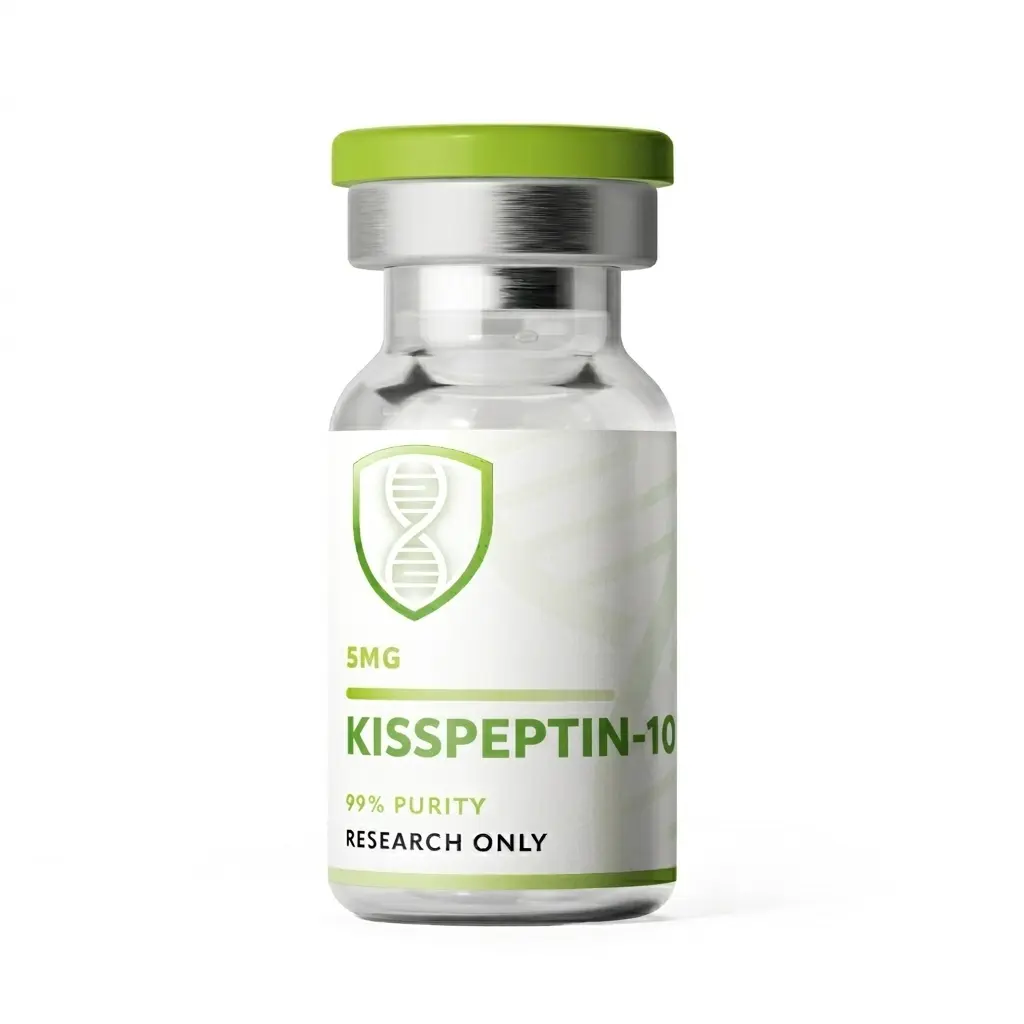
Buy Kisspeptin-10: Research-Grade GPR54 Ligand for Reproductive Axis Studies
Looking for a trusted source to buy Kisspeptin-10? Sino Research Peptide Manufacturer supplies high-purity Kisspeptin-10 peptide, formulated specifically for laboratory and research use. Below, you’ll find a full research overview of this GPR54 ligand, along with everything you need to know before you buy Kisspeptin-10 online.
What Is Kisspeptin-10 Peptide?
Do you want to Buy Kisspeptin-10 or know more about Kisspeptin-10? Kisspeptin-10 is a naturally occurring peptide encoded by the KISS1 gene. Researchers produce it by cleaving the original 145-amino acid polypeptide down to a smaller 54-amino acid peptide, which is cleaved further to become Kisspeptin 45-54, also known as Kisspeptin-10.
Researchers originally considered the KISS1 gene a suppressor of melanoma and breast carcinoma metastases, inhibiting abnormal cell growth and potentially preventing cancer. Later research suggested Kisspeptin-10 possesses a different expression profile that may allow it to function on the hypothalamus and pituitary gland, impacting the reproductive system.
Kisspeptin-10 and Hypogonadotropic Hypogonadism
Several independent studies in the mid-2000s suggested that Kisspeptin-10 may play a role in hypogonadotropic hypogonadism, since researchers consider it a ligand of the G-protein coupled receptor 54 (GPR54). Research continues to explore this potential relationship. Do you want to Buy Kisspeptin-10 or know more about Kisspeptin-10?
Hypogonadism describes a condition where reproductive organs produce less or no sex hormones. In hypogonadotropic hypogonadism specifically, the organism experiences hypogonadism due to under-functioning of the pituitary gland or hypothalamus. GnRH is considered to stimulate the pituitary gland to release follicle-stimulating hormone (FSH) and luteinizing hormone (LH), both of which regulate reproductive function. A lack of GnRH, FSH, and LH is considered a main factor in hypogonadotropic hypogonadism.
Chemical Makeup
| Property | Detail |
|---|---|
| Molecular Formula | C63H83N17O14 |
| Molecular Weight | 1302.4 g/mol |
| Other Known Titles | Kisspeptin 45-54 |
How Does Kisspeptin-10 Work?
Do you want to Buy Kisspeptin-10 or know more about Kisspeptin-10? Researchers have suggested that GPR54, also called the KISS1 receptor (KISS1R), functions as an important GnRH receptor. They further suggest that Kisspeptin-10 exhibits action by possibly binding to GPR54 receptors, which may activate the reproductive axis by stimulating GnRH release and gonadotropin neurons.
Researchers have also isolated smaller peptide fragments, including Kisspeptin 10, 13, and 14, all of which appear to possess biological activity toward GPR54. These smaller peptides are thought to bind with low affinity to GPR54 receptors and possibly stimulate calcium mobilization, arachidonic acid release, and extracellular protein kinase phosphorylation. These events may depolarize Kisspeptin-10 neurons, potentially leading to depolarization of GnRH neurons and modulating gonadotropin release to some extent.
Research has explored several hypotheses on Kisspeptin-10’s potential mechanisms, including:
- That Kisspeptin-10 may stimulate GnRH release
- That the peptide may stimulate endogenous gonadotropin release in less-fertile animal models
- That peptide concentrations may induce desensitization and suppression of the hypothalamus, pituitary gland, and gonadal axis
Kisspeptin-10 Benefits: What Does the Research Say?
Before you buy Kisspeptin-10 online, it helps to understand what current research suggests about its potential applications. Below, we break down the key study areas.
Kisspeptin-10 and Reproduction
A 2017 literature review examined articles published between 1999 and 2016 and suggested that experimental data may support the hypothesis that the Kisspeptin-10 system — including the KISS1 gene and its products, along with GPR54 receptors — regulates gonadotropin hormone release.
Certain studies in animal models exhibiting characteristics similar to hypogonadotropic hypogonadism (HH) and polycystic ovarian syndrome (PCOS) suggested these reproductive disorders may stem from abnormalities in the KISS1 and GPR54 system. The literature review’s overall conclusion suggested Kisspeptin-10 may function as a neuropeptide regulator of GnRH release.
Kisspeptin-10 and Delayed Hormonal Development
This study evaluated Kisspeptin-10’s potential in research models of stunted development. Researchers introduced either Kisspeptin-10 or gonadotropin-releasing hormone (GnRH), monitoring luteinizing hormone (LH) levels overnight, then exposed all models to GnRH for 6 days before evaluating LH levels again. A total of 47% of the experimental group showed positive impacts, with increased LH levels; 6% showed an intermediate response, and the remaining 47% showed no response.
Kisspeptin-10 and Emotional Modulation
This study explored Kisspeptin-10’s potential effect on limbic brain activity, monitoring research models via neuroimaging and psychometric analysis following peptide exposure. The data suggested the peptide appeared to enhance limbic brain activity, with models exhibiting an increased response toward sexual and bonding stimuli.
Kisspeptin-10 and Reproductive Hormone Release
This study established Kisspeptin-10’s potential effect on reproductive hormone release in both male and female experimental models. In males, FSH and LH levels increased following peptide exposure. In females, researchers found no alterations in LH and FSH levels during most of the menstrual cycle, though levels appeared elevated during the preovulatory phase.
Kisspeptin-10 and Food Intake
Kisspeptin-10 is considered widely distributed across brain sites, including the hippocampus, cerebellum, posterior hypothalamus, and septum. Given its presence in food-intake-regulating nuclei such as the Arc in the hypothalamus, one study examined its potential impact on food intake in adult male mice.
Results suggested the peptide may have decreased food intake in overnight-fasted mice during the first 3-to-12-hour period, with intake increasing during the 12-to-16-hour period to match placebo levels overall. This pattern suggested the peptide led to decreased meal frequency and total meal time, alongside increased intervals between meals — though meal size and eating rate remained similar to placebo.
Further research into appetite regulation found the peptide may influence expression of genes related to neuropeptide Y (NPY) and brain-derived neurotrophic factor (BDNF) in hypothalamic cells. Findings suggested Kisspeptin-10 may elevate NPY gene expression while suppressing BDNF expression, and may reduce serotonin and dopamine concentrations, though norepinephrine levels appeared stable. Researchers observed this reduction reflected in increased ratios of dopamine and serotonin metabolites following peptide exposure.
Kisspeptin-10 in Impaired Kisspeptin Systems
This study compared the energetic and metabolic potential of Kisspeptin-10 between control mice and mice with impaired Kisspeptin systems. Female mice with impaired systems exhibited dramatic increases in body weight and significantly impaired glucose tolerance. While peptide-exposed, impaired female mice ate less than controls, they were more obese, with reduced locomotor activity and respiratory rate. Researchers found no reported difference between control and impaired male mice, with both exhibiting normal body weight and glucose levels.
Kisspeptin-10 and Neuroprotection Research
Researchers have proposed that Kisspeptin-10 may attach to amyloid-beta (Aβ) outside cells, potentially reducing its harmful actions on cholinergic neurons. Studies suggest Kisspeptin-10 may counteract damaging actions of Aβ, prion protein (PrP), and Islet Amyloid Polypeptide (IAPP) without being hindered by antagonists of the kisspeptin receptor (GPR-54) or the NPFF receptor.
Research involving cholinergic cells indicated that while high concentrations of Kisspeptin-10 may increase toxicity, lower concentrations may decrease toxicity induced by both wild-type and E46K mutant forms of α-syn. Computational studies supported these observations, suggesting a potentially actionable interaction between Kisspeptin-10 and the C-terminal residues of α-syn, with molecular dynamics simulations indicating good stability in the resulting complexes.
Further research examined whether GPR54 activation is necessary for Kisspeptin-10’s interaction with α-syn. Using genetically modified ChAT-positive SH-SY5Y neurons producing wild-type or E46K mutant α-syn, researchers assessed Kisspeptin-10’s effects via flow cytometry and immunocytochemistry. Results suggested Kisspeptin-10 may have reduced both apoptosis and mitochondrial damage in affected cholinergic neurons — and notably, this protective action didn’t appear impacted when introduced alongside a GPR54 antagonist, implying GPR54 activation may not be necessary for these effects.
Where to Buy Kisspeptin-10 Online
Kisspeptin-10 for Sale
If you’ve been searching for Kisspeptin-10 for sale, Sino Research Peptide Manufacturer offers a straightforward path to reliable, research-grade material. Every batch ships with purity verification, so you always know exactly what you’re working with.
Where to Buy Kisspeptin-10 Peptide
Wondering where to buy Kisspeptin-10? Our streamlined ordering process gets research-grade material to your lab quickly, with fast, tracked dispatch to laboratories and institutions.
Best Place to Get Kisspeptin-10
Researchers looking for the best place to get Kisspeptin-10 choose Sino Research Peptide Manufacturer for consistent quality control, transparent documentation, and dependable supply.
Kisspeptin-10 Price
Sino Research Peptide Manufacturer offers competitive Kisspeptin-10 price points across our research-grade inventory, without ever compromising on purity or batch consistency.
Important Research Notice
Kisspeptin-10 peptide is available for research and laboratory purposes only. It is not intended for human or veterinary use. Please review and adhere to our Terms and Conditions before placing an order.
References:
- Hypogonadotropic hypogonadism. US National Library of Medicine. https://medlineplus.gov/ency/article/000390.htm
- KISS1 KiSS-1 metastasis suppressor [Homo sapiens (humans)]. https://www.ncbi.nlm.nih.gov/gene/3814
- Hussain, Mehboob A et al. “There is Kisspeptin – And Then There is Kisspeptin.” Trends in endocrinology and metabolism: TEM vol. Buy Kisspeptin-10 26,10 (2015): 564-572. https://www.ncbi.nlm.nih.gov/pmc/articles/PMC4587393/
- Pasquier, J., Kamech, N., Lafont, A., Vaudry, H., Rousseau, K., & Dufour, S. (2014). MOLECULAR EVOLUTION OF GPCRS: Kisspeptin/kisspeptin receptors, Journal of Molecular Endocrinology, 52(3), T101-T117. https://jme.bioscientifica.com/view/journals/jme/52/3/T101.xml
- Messager, S., Chatzidaki, E. E., Ma, D., Hendrick, A. G., Zahn, D., Dixon, J., Thresher, R. R., Malinge, I., Lomet, D., Carlton, M. B., Colledge, W. H., Caraty, A., & Aparicio, S. A. (2005). Kisspeptin directly stimulates gonadotropin-releasing hormone release via G protein-coupled receptor 54. Proceedings of the National Academy of Sciences of the United States of America, 102(5), 1761–1766. https://www.ncbi.nlm.nih.gov/pmc/articles/PMC545088/
- Mead, E. J., Maguire, J. J., Kuc, R. E., & Davenport, A. P. (2007). Kisspeptins: a multifunctional peptide system with a role in reproduction, cancer and the cardiovascular system. British journal of pharmacology, 151(8), 1143–1153. https://www.ncbi.nlm.nih.gov/pmc/articles/PMC2189831/
- Rønnekleiv, O. K., & Kelly, M. J. (2013). Kisspeptin excitation of GnRH neurons. Advances in experimental medicine and biology, 784, 113–131. https://www.ncbi.nlm.nih.gov/pmc/articles/PMC4019505/
- Prague JK, Dhillo WS. Potential Clinical Use of Kisspeptin. Neuroendocrinology. 2015;102(3):238-45. doi: 10.1159/000439133. Epub 2015 Aug 7.Do you want to Buy Kisspeptin-10 or know more about Kisspeptin-10? https://pubmed.ncbi.nlm.nih.gov/26277870/
- Tng E. L. (2015). Kisspeptin signalling and its roles in humans. Singapore medical journal, 56(12), 649–656. https://www.ncbi.nlm.nih.gov/pmc/articles/PMC4678402/
- Zeydabadi Nejad, S., Ramezani Tehrani, F., & Zadeh-Vakili, A. (2017). The Role of Kisspeptin in Female Reproduction. International journal of endocrinology and metabolism, 15(3), e44337. Do you want to Buy Kisspeptin-10 or know more about Kisspeptin-10? https://www.ncbi.nlm.nih.gov/pmc/articles/PMC5702467/
- Stengel, A., Wang, L., Goebel-Stengel, M., & Taché, Y. (2011). Centrally injected kisspeptin reduces food intake by increasing meal intervals in mice. Neuroreport, 22(5), 253–257. Do you want to Buy Kisspeptin-10 or know more about Kisspeptin-10? https://www.ncbi.nlm.nih.gov/pmc/articles/PMC3063509/
- Orlando G, Leone S, Ferrante C, Chiavaroli A, Mollica A, Stefanucci A, Macedonio G, Dimmito MP, Leporini L, Menghini L, Brunetti L, Recinella L. Effects of Kisspeptin-10 on Hypothalamic Neuropeptides and Neurotransmitters Involved in Appetite Control. Molecules. 2018 Nov 24;23(12):3071. doi: 10.3390/molecules23123071. PMID: 30477219; PMCID: PMC6321454
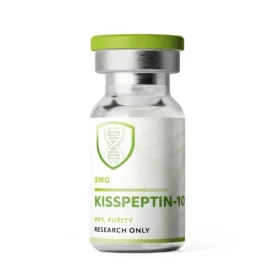
| Kisspeptin-10 | 5mg*10vials, 10mg*10vials |
|---|
1 review for Kisspeptin-10
Customer photos and videos
 Kisspeptin-10
Related products
All Peptides
All Peptides
All Peptides
All Peptides
All Peptides
All Peptides
All Peptides
All Peptides
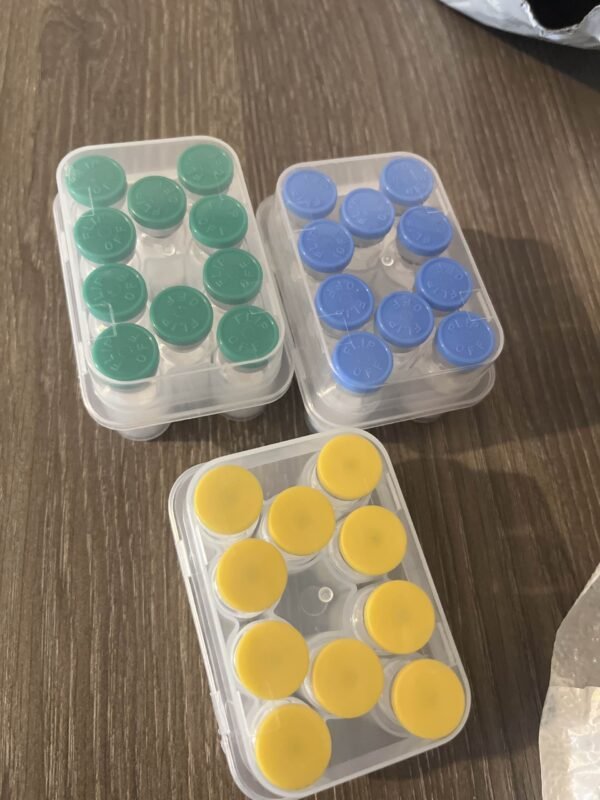
Ordered Test E and Tren A injectable oils from Sino Research Peptide Manufacturer. Both vials were perfectly sealed, no leaks, and correct fill volume. Sent to Janoshik for testing and the concentrations matched exactly what was listed. Shipping to Norway took 8 days with full tracking. Sino Research Peptide Manufacturer is the real deal for injectables.