Peptide Research
Glutathione Benefits Explained: What It Does for the Body and Skin
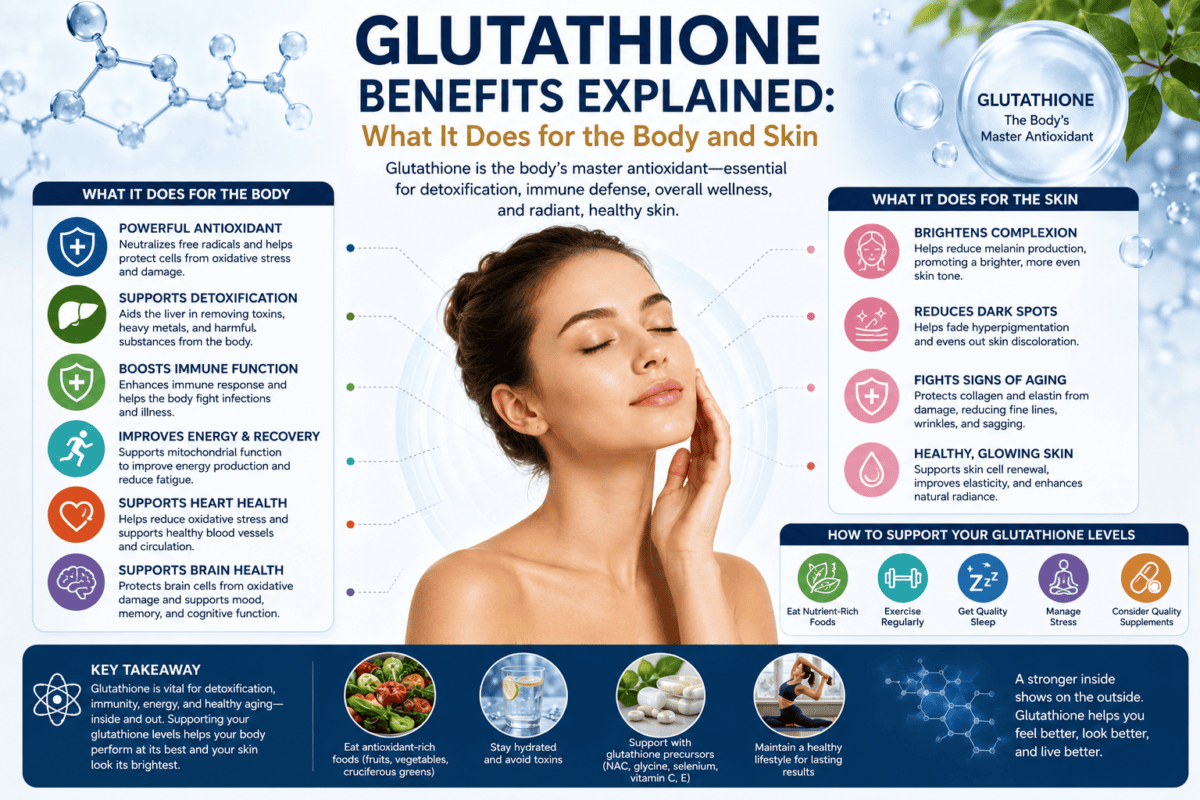
Glutathione Benefits: What Does Glutathione Do for the Body and Skin?
A few years ago, a friend of mine — a nurse who’d spent a decade around IV drips and lab reports — mentioned, almost in passing, that she’d started taking a glutathione supplement “for everything.” Energy, skin, recovery after long shifts. I asked her what it actually did. She paused and said, “Honestly? I know it’s important. I couldn’t tell you exactly why.”
That conversation is basically why this article exists. Glutathione benefits get talked about everywhere — skincare forums, wellness clinics, supplement aisles — but the actual biology behind those claims rarely gets explained in plain language. So let’s slow down and look at what glutathione is used for, what the research actually shows, and where the evidence is still catching up to the marketing, drawing on reviews of glutathione’s role in oxidative stress.
This is meant to be an educational, evidence-based overview — not medical advice, and not a sales pitch. If you’re considering any supplement or therapy involving glutathione, that conversation belongs with a qualified healthcare provider.
What Is Glutathione, Exactly?
Glutathione is a small molecule made from three amino acids: glutamine, glycine, and cysteine. Your body produces it naturally, primarily in the liver, and it’s found in nearly every cell you have.
Think of it as your body’s internal cleanup crew. Cells are constantly exposed to byproducts of normal metabolism, environmental toxins, and oxidative stress — like a kitchen that never stops cooking and never stops generating mess. Glutathione is one of the main tools your cells use to keep that mess from piling up.
It exists in two forms: reduced glutathione (the active, working form, often abbreviated GSH) and oxidized glutathione (GSSG, the “used up” form after it’s neutralized a harmful molecule). The ratio between these two forms is actually used by researchers as a marker of oxidative stress in the body — a lower reduced-to-oxidized ratio generally signals more cellular strain.
How Glutathione Works in the Body
Understanding how glutathione works in the body starts with a concept called oxidative stress.
Every day, your cells produce unstable molecules called free radicals as a natural byproduct of energy production. In small amounts, this is normal — even useful, since the immune system uses some free radicals to fight pathogens. But when free radicals outnumber the antioxidants available to neutralize them, cells can be damaged. This imbalance is oxidative stress, and it’s been studied extensively in relation to aging, inflammation, and a wide range of chronic conditions.
Glutathione neutralizes free radicals by donating electrons to stabilize them, a process central to what’s called antioxidant defense. Unlike many antioxidants that we only get from food (vitamin C, vitamin E), glutathione is unique because the body actually manufactures it — as long as it has the raw materials (those three amino acids) and functioning liver pathways to do so.
Core Glutathione Benefits for the Body
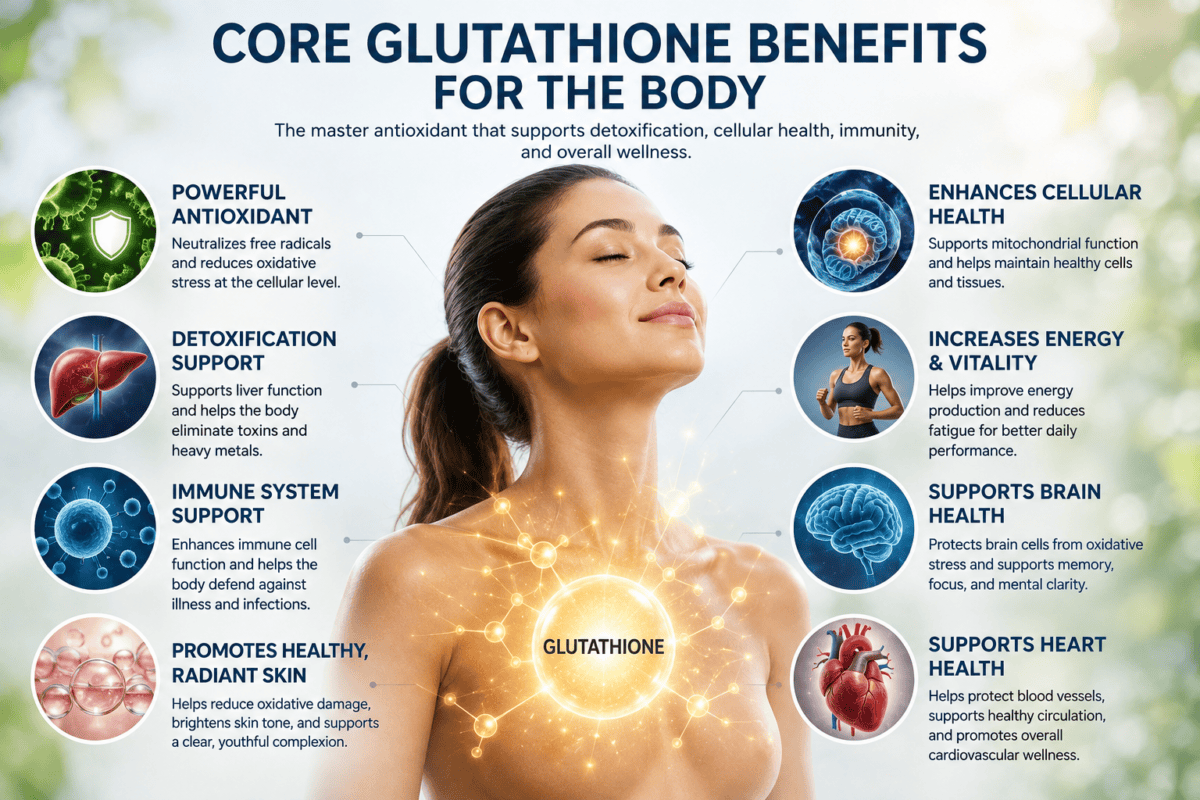
1. Cellular Protection and Glutathione Antioxidant Benefits
The most well-established of the glutathione antioxidant benefits is its role in protecting cells from oxidative damage. Research published in journals such as Antioxidants and reviews in the Journal of Cancer Science & Therapy have described glutathione as one of the most important intracellular antioxidants, involved in neutralizing reactive oxygen species before they can damage DNA, proteins, and cell membranes.
A peer-reviewed review on glutathione’s antioxidative defense mechanisms, published via the National Center for Biotechnology Information, describes in detail how the sulfhydryl group in glutathione’s cysteine component allows it to neutralize a wide range of reactive molecules.
This matters because oxidative damage at the cellular level has been linked, in various studies, to accelerated aging and to the development of several chronic diseases — findings echoed in research on oxidative stress and glutathione insufficiency in metabolic disease. Glutathione doesn’t “cure” or “prevent” these conditions on its own — that would be an overstatement — but its role in the body’s baseline defense system, one of the core glutathione benefits, is well documented.
2. Glutathione Immune System Benefits
Your immune cells rely heavily on adequate glutathione levels to function properly. Research has shown that glutathione plays a part in regulating how immune cells communicate, proliferate, and respond to pathogens — particularly T-lymphocytes, which are central to your adaptive immune response.
Some studies have found that glutathione deficiency is associated with impaired immune cell function, while restoring glutathione levels (through supplementation with precursors like N-acetylcysteine) appeared to support immune activity in certain populations, including older adults and people with chronic illness.
A clinical study on the glutathione precursor N-acetylcysteine and immune function in postmenopausal women found measurable improvements in several markers of lymphocyte and neutrophil activity after supplementation. The glutathione immune system benefits are considered among the more scientifically supported areas of overall glutathione benefits research, though more large-scale human trials are still needed to establish specific dosing recommendations.
3. Glutathione Benefits for Detoxification
Ask a hepatologist about liver health and glutathione will come up quickly. The liver uses glutathione in what’s called Phase II detoxification — a process where the body binds toxins, medications, and metabolic waste products to glutathione so they can be safely excreted.
This is precisely why glutathione depletion is dangerous in cases of acetaminophen (Tylenol) overdose: when glutathione stores run out, the liver loses its ability to neutralize the toxic byproduct of the drug, which can lead to liver failure. In hospital settings, N-acetylcysteine (a glutathione precursor) is actually administered as the standard emergency treatment for this exact reason — a mechanism explained in detail in this comprehensive review of N-acetylcysteine for preventing acetaminophen-induced liver injury.
This is one of the clearest, most clinically validated illustrations of glutathione benefits for detoxification — it’s not a vague wellness claim, it’s established emergency medicine.
4. Glutathione Benefits for Cellular Health
Beyond detox and immunity, glutathione plays a supporting role in mitochondrial function — the energy-producing engines inside your cells. Oxidative damage to mitochondria has been studied as a contributor to cellular aging and fatigue. By helping protect mitochondria from oxidative stress, glutathione indirectly supports the kind of cellular energy production that affects how tired or resilient you feel day to day.
Some smaller studies have also explored glutathione benefits for cellular health in the context of exercise recovery, noting that oxidative stress markers were lower in participants with higher glutathione status after intense physical activity. This research is promising but still developing, and results vary based on individual health status, age, and baseline nutrition.
Glutathione and Oxidative Stress: The Aging Connection
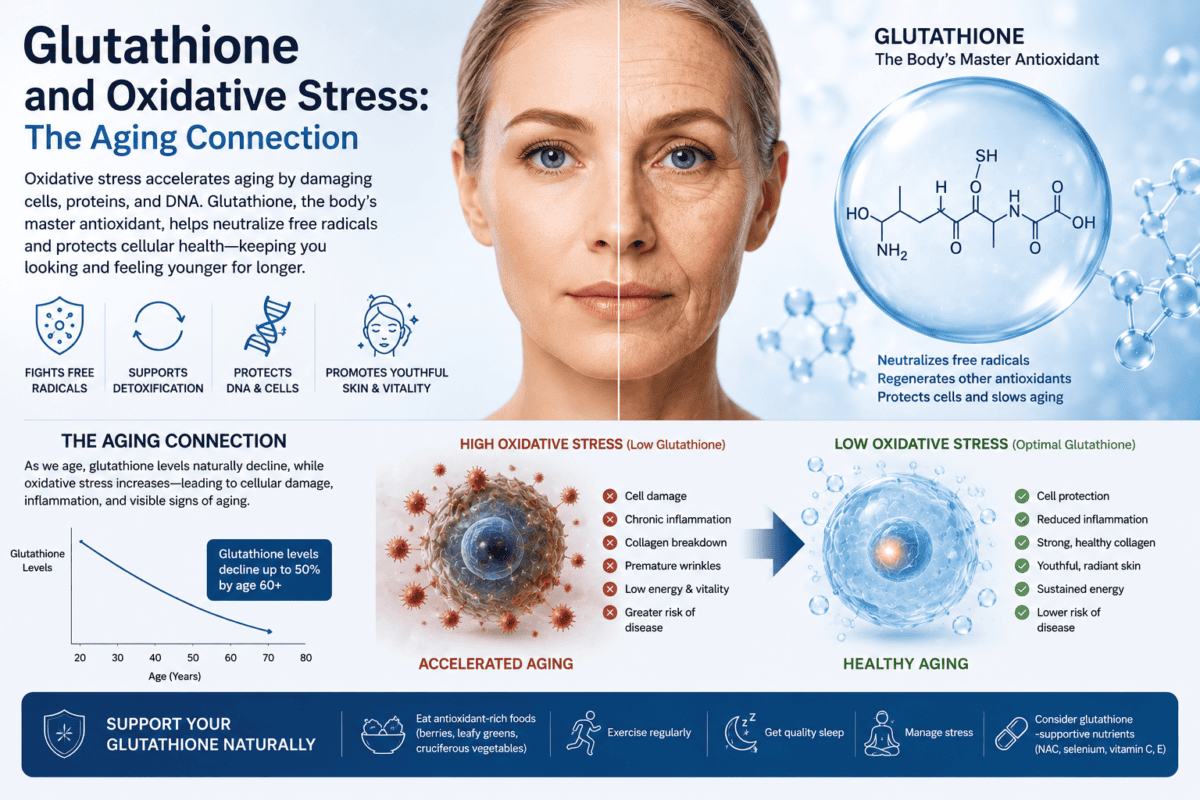
Here’s where things get particularly interesting for anyone researching glutathione levels and aging.
As we get older, our natural glutathione production tends to decline. Researchers have observed this pattern consistently across multiple studies, including a systematic review of glutathione levels across the healthy adult age span, and it’s part of why oxidative stress theories of aging have gained traction — cells accumulate damage over time partly because the antioxidant defense system isn’t as robust as it once was. This is one of the more consistently reported glutathione benefits for the body to track as we age.
Dr. Dean Jones, a biochemist who has published extensively on glutathione and aging at Emory University, has described this age-related decline as a shift in the body’s redox balance — essentially, a slow tilt toward a more oxidized, less protected cellular environment.
This doesn’t mean glutathione benefits for aging are a guaranteed anti-aging solution. What it does mean is that maintaining healthy glutathione levels — through diet, lifestyle, and in some cases supplementation — is an area of legitimate scientific interest for healthy aging support, rather than a fringe idea.
Glutathione Benefits for Skin
This is probably the reason a lot of readers are here, so let’s be direct about it. Of all the areas of research, glutathione benefits for skin are simultaneously the most popular search topic and the one where the evidence is most nuanced.
Glutathione and Skin Health
Glutathione and skin health is a genuinely researched topic, not just a marketing buzzword. Glutathione’s antioxidant activity may help protect skin cells from UV-induced oxidative damage, one of the primary drivers of visible skin aging — think fine lines, loss of elasticity, and uneven texture.
Glutathione and Collagen Production
There’s also emerging interest in glutathione and collagen production. Oxidative stress is known to degrade collagen, the protein responsible for skin’s firmness and structure. By reducing oxidative damage, glutathione may indirectly help preserve the skin’s collagen matrix — though it’s worth being clear that glutathione doesn’t directly stimulate collagen synthesis the way, say, vitamin C or specific peptides do. Its role here is more protective than constructive.
Glutathione Benefits for Skin Whitening
This is the most searched — and most misunderstood — part of the topic, so it deserves a careful answer.
Glutathione is thought to influence melanin production by shifting pigment synthesis away from eumelanin (darker pigment) and toward pheomelanin (lighter pigment), and by inhibiting the enzyme tyrosinase, which is central to melanin formation. Some clinical studies, particularly using oral and topical forms, have reported modest skin-lightening effects over several weeks to months of use. A double-blind randomized controlled trial on combined topical and oral glutathione for skin whitening found that combination therapy produced a significantly lower melanin index than placebo over an 8-week period.
However — and this matters — the evidence is mixed, study sizes are often small, and results vary significantly by dose, formulation, and duration. A 2025 narrative review on the safety and efficacy of glutathione for skin lightening concluded that while oral and topical forms show variable but meaningful melanin reduction, intravenous glutathione carries serious safety concerns, including anaphylaxis and hepatotoxicity risk, and lacks standardized dosing protocols. Can glutathione cause skin darkening?
Interestingly, in rare cases, improperly administered high-dose IV glutathione (a practice with limited regulatory oversight in some regions) has been associated with adverse skin reactions, including a rare condition called Stevens-Johnson syndrome and, paradoxically, patchy pigmentation changes in isolated case reports. This is why unregulated, high-dose IV glutathione injections for cosmetic skin lightening are viewed with caution by dermatologists and are restricted or unapproved in several countries.
If skin appearance is your main interest, it’s worth researching glutathione for skin appearance through low-risk avenues — oral supplementation or topical products, discussed with a dermatologist — rather than assuming more aggressive delivery methods are automatically safer or more effective.
Benefits of Glutathione Supplements: What the Research Shows
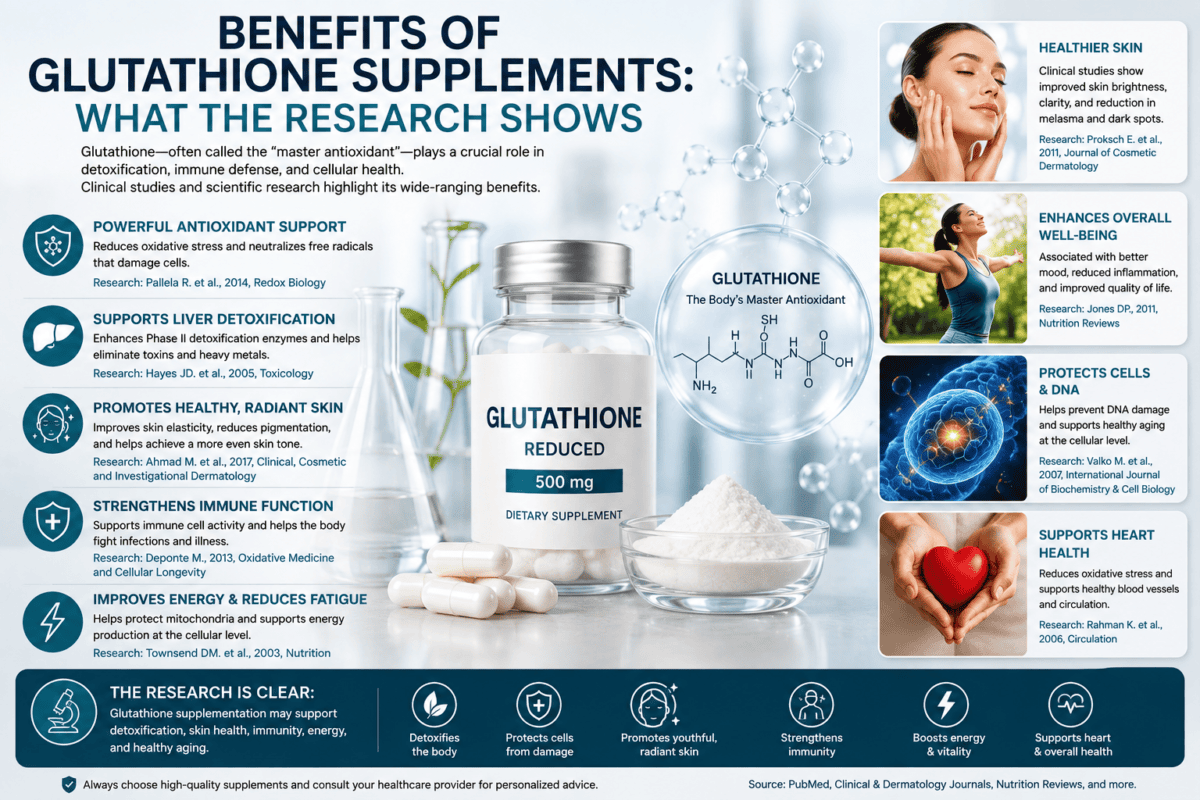
The benefits of glutathione supplements — and how reliably you actually get them — depend heavily on the delivery method, because glutathione taken orally faces a significant obstacle: your digestive system tends to break it down before it can be absorbed intact.
Here’s a breakdown of common forms:
- Oral glutathione supplement benefits: Absorption is historically low, though newer liposomal and sublingual formulations are designed to improve bioavailability. Some studies suggest consistent oral supplementation over months can meaningfully raise blood glutathione levels.
- Reduced glutathione benefits: Supplements labeled as “reduced glutathione” (L-Glutathione, GSH) are considered the active form and are generally preferred over oxidized forms for supplementation purposes.
- Precursor supplementation: Taking the building blocks — particularly N-acetylcysteine (NAC) and glycine — is another well-studied approach, since it supports your body’s own glutathione production rather than trying to introduce the molecule directly.
- Topical and IV forms: Topical products target skin directly; IV administration bypasses digestion entirely but should only be done under medical supervision due to safety and regulatory considerations.
How Long Does Glutathione Take to Work?
This is one of the most common People Also Ask questions, and the honest answer is: it depends on the goal and the form used. For general antioxidant support, some research shows measurable changes in blood glutathione levels within 4 weeks of consistent oral supplementation. For skin-related outcomes, studies typically look at 8-12 week windows before assessing visible change. There’s no universally agreed-upon timeline, and individual response varies based on diet, liver function, and baseline glutathione status.
What Does Glutathione Do to Your Body Daily? A Practical Summary
If someone asks “what will glutathione do to your body” on a day-to-day basis, here’s a grounded summary based on current research:
- Supports the neutralization of free radicals as part of your antioxidant defense system
- Assists the liver in processing and clearing toxins and certain medications
- Contributes to normal immune cell function
- Plays a protective (not restorative) role in skin cell health
- Supports mitochondrial function, which is tied to cellular energy
What it does not do, based on current evidence, is act as a guaranteed cure-all, a fat-loss drug, or a fast track to dramatically different skin tone or texture. Can glutathione reduce belly fat? There’s no strong clinical evidence directly linking glutathione supplementation to fat loss; any indirect connection would likely run through reduced oxidative stress and inflammation rather than a direct metabolic fat-burning effect, and this remains an under-researched claim.
Natural Ways to Increase Glutathione
If supplementation feels like a big first step, there are well-documented natural ways to increase glutathione through diet and lifestyle — and for many people, this is the lowest-risk route to real glutathione benefits without committing to a supplement regimen:
Foods that increase glutathione or support its production include:
- Sulfur-rich vegetables: broccoli, cauliflower, Brussels sprouts, cabbage, kale
- Allium vegetables: garlic and onions
- High-quality protein sources rich in cysteine: eggs, fish, and lean meats
- Whey protein, which is particularly rich in cysteine and glutamine
- Selenium-rich foods (Brazil nuts, sardines), since selenium supports glutathione peroxidase enzyme activity
Which fruit is full of glutathione? Avocado and watermelon are commonly cited among fruits with comparatively higher natural glutathione content, though vegetables generally contribute more through their sulfur compounds and supportive nutrients.
Beyond diet, adequate sleep, regular moderate exercise, and reducing chronic alcohol intake have all been associated with better glutathione status in various studies. On the flip side, what destroys glutathione in the body? Chronic stress, poor sleep, excessive alcohol consumption, smoking, and prolonged exposure to environmental toxins have all been shown to deplete glutathione stores over time.
Glutathione Deficiency Symptoms
Glutathione deficiency symptoms aren’t always distinct or easy to pin down, since glutathione is involved in so many background processes. Research and clinical observations associate low glutathione with:
- Increased fatigue
- Greater susceptibility to oxidative stress-related complaints
- Slower recovery from illness or exertion
- In more severe, clinically diagnosed deficiency states (which are relatively rare and often tied to specific genetic or medical conditions), more serious symptoms can occur, including neurological effects
If you suspect a genuine deficiency rather than just general wellness curiosity, that’s a conversation for a physician who can order appropriate testing — glutathione status isn’t something to self-diagnose from symptoms alone.
Is Glutathione Safe? Benefits and Side Effects
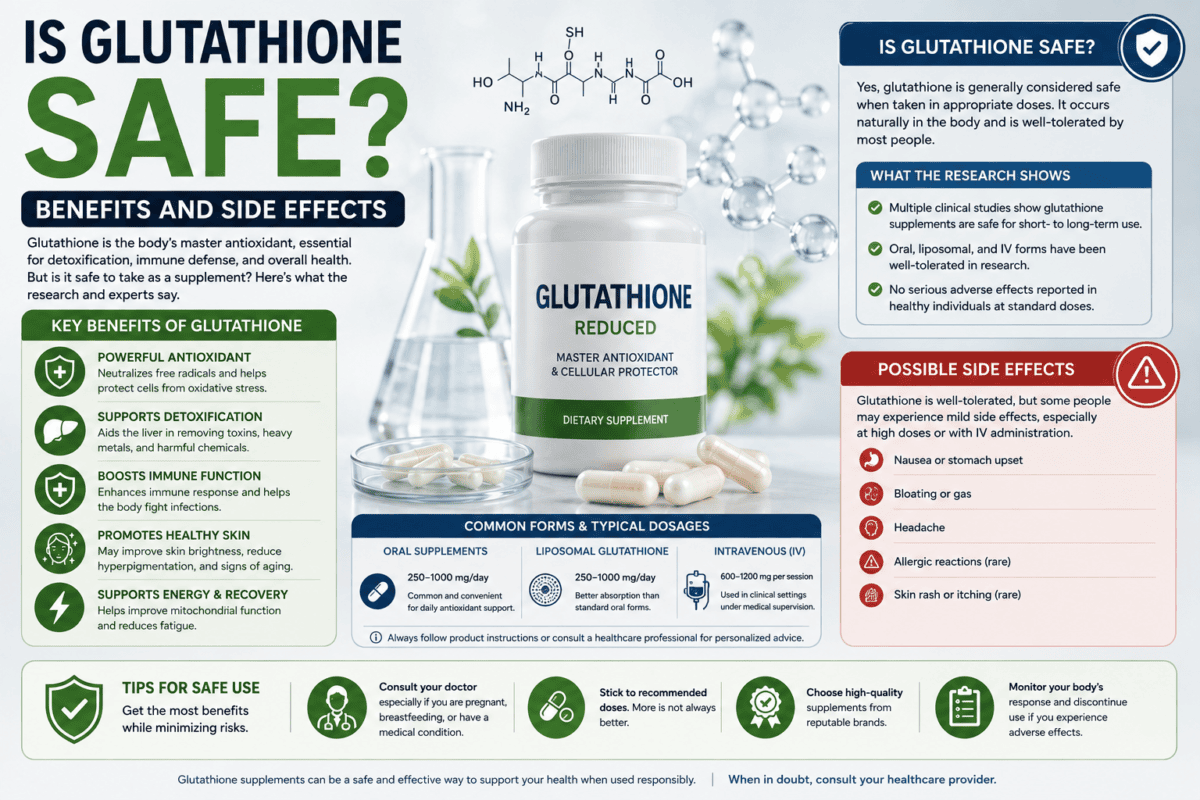
Is glutathione safe? For most healthy adults, oral and topical glutathione are generally considered well-tolerated in research settings, with mild side effects like bloating, cramping, or allergic-type skin reactions reported in a small subset of users. Weighing glutathione benefits and side effects against each other is really the core question anyone considering supplementation should be asking.
What to avoid when taking glutathione? A few practical, research-informed cautions:
- Avoid unregulated high-dose IV glutathione injections outside of a licensed medical setting
- Be cautious combining with other medications without medical guidance, given its role in liver detoxification pathways
- If pregnant, breastfeeding, or managing a chronic condition, consult a healthcare provider before starting supplementation
Is glutathione safe for the kidneys and liver? Existing research generally supports glutathione’s role as protective of liver function rather than harmful to it, given its central role in liver detoxification. However, people with existing kidney or liver conditions should still consult their physician before supplementing, since individual metabolic circumstances vary.
What are the disadvantages of glutathione? Beyond mild digestive side effects, the main practical disadvantages are cost (particularly for high-quality liposomal or IV forms), inconsistent absorption with standard oral tablets, and the fact that research, while promising in many areas, is still considered incomplete for several of the more ambitious wellness claims attached to the ingredient.
When is the best time to take glutathione, morning or night? There’s no strong clinical consensus dictating a specific time of day; most guidance simply recommends consistency and, for certain formulations, taking it on an empty stomach to support absorption. Following product-specific instructions or a healthcare provider’s guidance is generally more important than the clock.
Common Counterpoints and Limitations
In the interest of giving a full picture, it’s worth acknowledging where skepticism is warranted:
- Bioavailability concerns: Many oral glutathione studies show only modest increases in blood levels, and some researchers question whether standard-dose oral supplements meaningfully change health outcomes compared to simply supporting the body’s natural production through diet.
- Small sample sizes: A number of the skin-related and anti-aging studies involve relatively small participant groups, which means results should be interpreted as promising rather than conclusive.
- Marketing outpacing evidence: Especially around skin whitening and anti-aging claims, commercial messaging sometimes moves faster than the underlying research supports. A cautious, evidence-first approach serves readers better than overstated promises.
Acknowledging these limitations doesn’t diminish glutathione’s real, well-documented biological roles — it just means the picture is nuanced rather than miraculous.
Final Thoughts
Coming back to my friend the nurse: the honest answer to “what does glutathione do” isn’t a single dramatic headline. It’s a quiet, essential, background process — protecting cells, supporting the liver, backing up the immune system, and playing a defensive role in skin health.
For readers exploring glutathione benefits for the body and skin, the most grounded approach is this: understand what’s well-established (antioxidant defense, liver detoxification support, immune function), stay appropriately curious about what’s still emerging (skin tone changes, anti-aging effects, fat metabolism), and make any supplementation decisions in partnership with a qualified healthcare provider rather than based on marketing claims alone.
GlutathioGne’s story in the research world is still being written. What we know so far is genuinely compelling — it just isn’t the whole storyNHM yet.
This article is for educational purposes only and does not constitute medical advice. Consult a qualified healthcare provider before starting any new supplement regimen.